

Most producers struggle with 808s for the wrong reasons. They assume the problem is mixing, so they reach for distortion, EQ, or compression. But weak 808s rarely start as a mixing issue. They start with poor sample choice, bad tuning, and uncontrolled note behavior. No amount of processing fixes a fundamentally broken low-end.
In trap and hip-hop production, the 808 is not just bass. It is rhythm, movement, and energy. When it is dialed in correctly, it carries the groove of the entire track. When it is wrong, everything else feels disconnected no matter how polished the rest of the mix is.
This breakdown focuses on what actually improves 808s in real sessions. Not complex plugin chains, but correct decisions in sound selection, tuning, envelope control, and interaction with the kick. These are the changes that turn a flat 808 into something that drives the record.
The video walks through six core techniques that transform a basic 808 pattern into a professional low-end foundation. The structure is divided into two categories: arrangement methods and mixing decisions. This separation is important because most producers try to solve arrangement problems with mixing tools.
The demonstration shows that improving 808s is not about stacking effects. It is about controlling how the sound behaves over time, how it interacts with other elements, and how it sits in the mix. Every step builds on the previous one, creating a system rather than a random collection of tricks.
What stands out is the emphasis on subtlety. Small adjustments in tuning, envelope length, and sidechain amount create major differences in clarity and punch. The improvements are not dramatic individually, but together they define the entire low-end.
What It Gets Right
The strongest principle demonstrated is that 808 quality is determined before mixing begins.
Sound selection and pitch correction are treated as non-negotiable steps. This is accurate. If the 808 is not tuned to the track, it will never sit correctly with the melody. This creates phase issues, masking, and tonal conflict that cannot be fixed later.
The use of envelope control is also correct. Tightening decay and release directly affects clarity. Long, uncontrolled tails are one of the main causes of muddy mixes, especially in fast trap tempos.
Sidechaining is presented as a functional tool rather than a stylistic effect. This is important. The goal is not pumping for style, but space for the kick. When used correctly, it allows both elements to hit without competing.
Where Producers Go Wrong
The most common mistake is ignoring pitch. Many producers load an 808 and start writing patterns without checking its root note. This immediately creates harmonic conflict with the track.
Another issue is excessive decay. Long 808 tails overlap with subsequent notes, especially in faster BPM ranges. This removes definition and creates low-end buildup that reduces punch.
Distortion is often overused. Instead of adding presence, it introduces harshness and reduces low-end clarity. The goal of distortion is harmonic enhancement, not saturation for its own sake.
Sidechaining is either avoided or overcomplicated. Some producers skip it entirely, leading to kick and 808 conflicts. Others overdo it, causing unnatural pumping that weakens the groove.
Real Technique Breakdown
This is where the actual improvement happens.
Sound Selection- What: Choosing a high-quality 808 sample with clean low-end
- Why: The source defines how much processing is needed
- When it fails: Poor samples require excessive processing, degrading clarity
- What: Detecting and aligning the 808 to the correct root note
- Why: Ensures harmonic compatibility with melodies
- When it fails: Untuned 808s clash with chords and reduce musical coherence
- What: Adjusting decay and release to match note length
- Why: Controls sustain and prevents overlap
- When it fails: Long tails create mud and reduce rhythmic clarity
- What: Using portamento notes to glide between pitches
- Why: Adds movement and character to the bassline
- When it fails: Overuse removes definition and weakens impact
- What: Setting the 808 peak around -4 dB
- Why: Establishes consistent low-end presence
- When it fails: Too loud causes clipping, too quiet loses impact
- What: Light saturation to add harmonics
- Why: Helps 808 translate on smaller speakers
- When it fails: Heavy distortion removes sub clarity
- What: Ducking 808 volume when the kick hits
- Why: Creates space and improves punch
- When it fails: Overuse creates unnatural pumping
For a deeper understanding of how low-end balance affects your entire mix, see bass processing in FL Studio.
Real-World Use
Start with the 808 sample before writing anything. Audition multiple options and choose one that already sounds close to what you need. This step must come first because every decision after depends on the source quality.
Next, tune the 808. Use pitch detection to find the root note and align it with your track. This must happen before writing the bassline. If you skip this step, you will build a pattern that sounds wrong regardless of timing.
Once tuned, adjust the envelope. Set decay and release so that each note stops cleanly when the next begins. This prevents overlap and keeps the rhythm tight. If you write the pattern before fixing the envelope, you will compensate incorrectly for sustain issues.
Then create the 808 pattern. Focus on rhythm and spacing, not complexity. Add slides only after the core pattern works. This ensures that movement enhances the groove rather than masking weak structure.
After the pattern is solid, set levels. Bring the 808 into the mix at a controlled peak level. This step comes after arrangement because the pattern determines how the 808 interacts with other elements.
Next, apply light distortion if needed. This should enhance presence, not redefine the sound. If distortion is applied too early, it can mislead your level decisions.
Finally, apply sidechaining to the kick. This is the last step because it depends on the relationship between kick and 808. Adjust the threshold until the kick cuts through without completely removing the 808’s energy.
Tools and Workflow
The workflow relies entirely on stock FL Studio tools:
- Edison for pitch detection and sample analysis
- Piano Roll for note placement and slide control
- Channel Rack for envelope shaping
- Mixer for routing and level control
- Fruity Limiter for sidechaining
- Stock distortion plugin for harmonic enhancement
No external plugins are required. This reinforces that professional results come from understanding the system, not expanding the toolset.
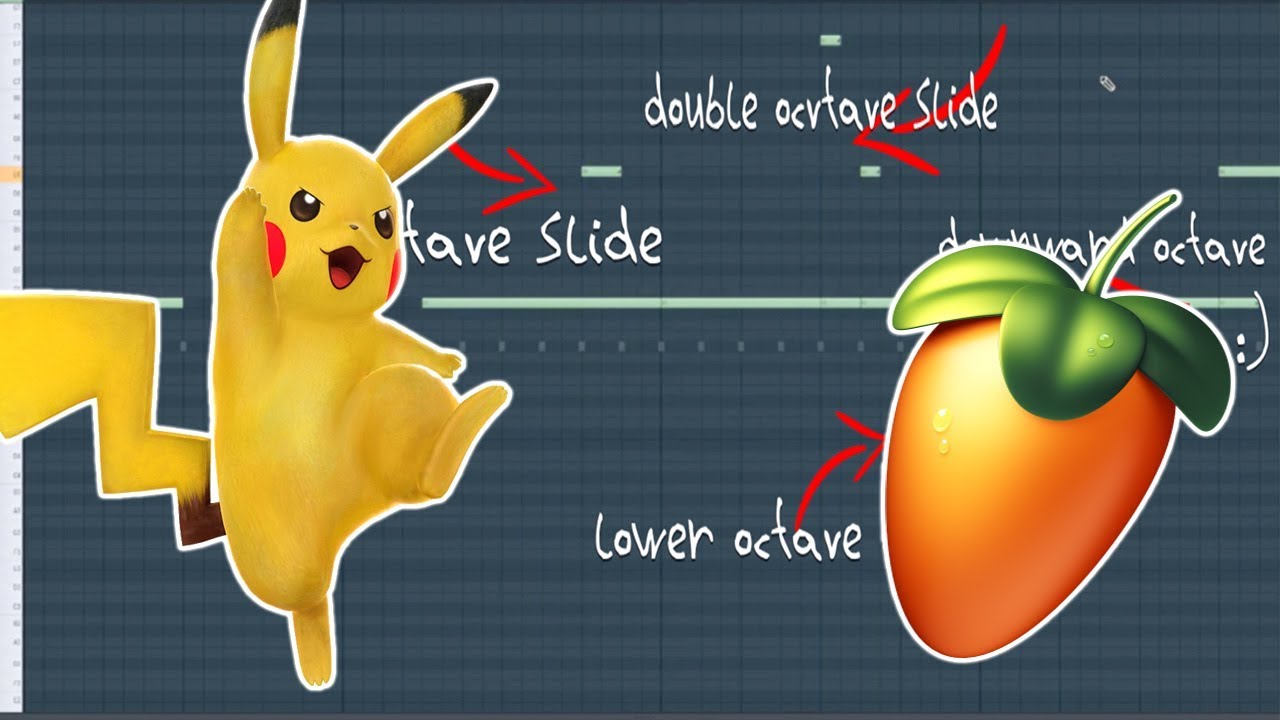
Source Video
6 Tricks for Better 808s in 13 Minutes or Less | Mixing With Chu # 2
Original tutorial by Chu.
Professional Wisdom
The video correctly emphasizes subtlety, but it simplifies the role of distortion. Distortion is not just for grit. It is a translation tool. By adding upper harmonics, it allows the 808 to be heard on smaller systems that cannot reproduce sub frequencies. The key is to blend it, not dominate with it.
The leveling advice is useful but situational. Targeting a fixed dB range can work as a guideline, but context matters more. The correct level depends on the arrangement, the kick, and the overall mix balance. A better approach is to level relative to the kick, ensuring both elements are clearly defined.
Sidechaining is presented as simple, which is helpful for beginners. However, the real control comes from understanding attack and release times. A fast attack ensures the kick cuts through immediately, while a controlled release allows the 808 to recover naturally. This creates punch without audible pumping.
The biggest takeaway is that 808 quality is cumulative. No single trick fixes everything. Each step removes a specific problem. Together, they create a clean, powerful low-end.

808 Sample Packs
Cutting-edge sample packs designed for producers who demand the hardest-hitting, most versatile 808s on the market
Check Loop Masters for Free 808 Taster PacksFinal Takeaway
High-quality 808s start with sound selection and tuning.
Envelope control defines clarity more than EQ.
Slides add movement but must be used sparingly.
Distortion enhances presence, not volume.
Kick and 808 separation is achieved through timing and sidechain control.
No comments:
Post a Comment